From Combat Diver to Author: Arnar Vik Takes Us Below the Surface
The Norwegian author Arnar Vik published the novels Ospreys and Akula in 2025—thrillers in the military and intelligence genre where diving plays a central role in the story. For those of us who have spent time underwater, especially in military diving, this gives the narratives a unique sense of authenticity. It’s great fun to picture the procedures of purging a rebreather or navigating underwater on a compass course in the murky blue. Arnar writes under a pseudonym and is just as uninterested in revealing his identity as most others in the field, but he still agreed to an interview. Here are the author’s own reflections on writing books about a subject that will never stop fascinating those of us who enjoy life “under pressure”.
Can you tell the readers a little about yourself? Who is Arnar Vik?
Well, I’m a man somewhere in the middle of life. Originally from Trondheim, now living in Oslo with my wife. That’s also where I have my “day job” when I’m not writing. Arnar Vik is my alter ego as an author, and he’s the one who takes the hit when it comes to answering emails and keeping in touch with readers and journalists out in the world. Otherwise, I’m a bit restrictive when it comes to sharing my private life. Arnar has a website—fairly simple and maybe a bit amateurish—but it works as a contact point for readers who are curious and want to reach out. I’ve never been part of the social media world, so my knowledge of how to stay “relevant” online is pretty limited.
You’re an author but not active on social media? How’s the book sales going?
Funny you ask, because that’s almost exactly what my editor said the first time we met. “Tough sale,” I think were his words. But I’ve managed to sell some books through my own network, and the goal of writing has never been anything other than entertaining myself, really. It’s been a huge bonus that people have actually read my books, and the feedback—from the diving community as well as ordinary readers—has been positive. That’s been a massive motivation to keep writing more stories in the same series.
You mention the diving community. Can you tell us a bit about your own diving background?
Sure. After my initial military service in the 90s, I developed an interest in military diving, but it took a few years of studies and other things before I eventually found myself on an oxygen-swimming course at the Norwegian Navy Diving and Frogman School in Bergen. I remember being pretty proud of myself when I got my diver’s certificate with the title Combat Diver. That was the start of many years of O₂-swimming, both in Norway and abroad. The community is very small, so I still have good friends in “sister units” around the world. It was a fantastic time with great people, and a dream to be part of.
Do you still dive today?
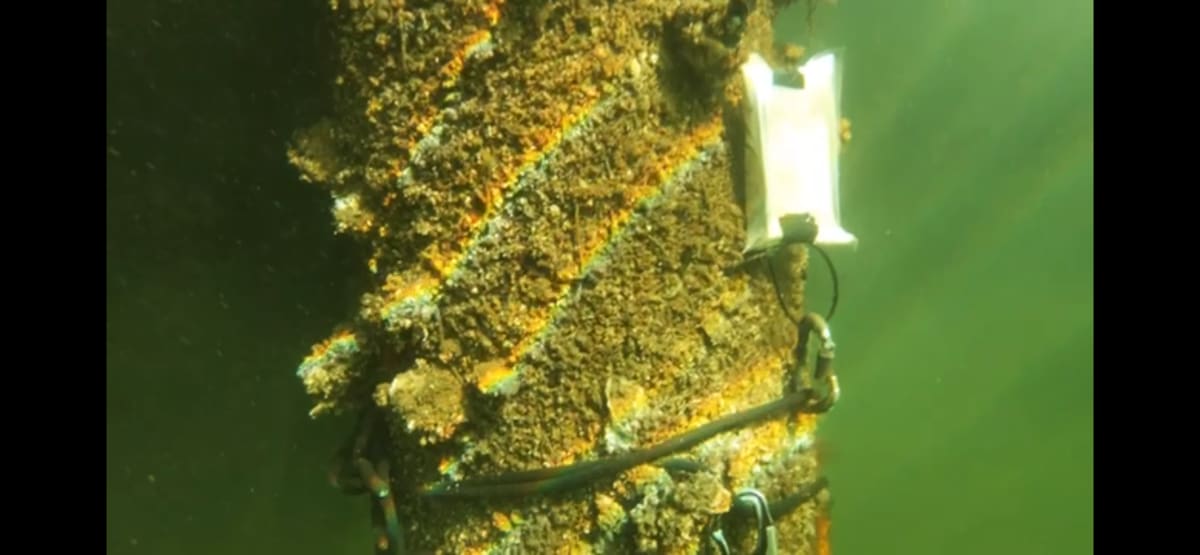
Not much these days, but I occasionally join a dive trip when I’m on vacation or go for a dive with old colleagues here at home. After my father got rid of his boat there hasn’t been much need for a working diver to reattach the mooring chain that always kept breaking. I’ve rarely had dives as risky as those—solo, with ancient equipment that should’ve been inspected decades ago. The gear actually went to the recycling station this Easter. There’s a limit to how many air cuts and uncontrolled ascents you should expose yourself to.
What about the good diving experiences? Where would you love to dive again?
I’ve had many great dives, mostly from holidays. Oxygen-swimming isn’t exactly something you do for pleasure—it’s wet, cold, dark, and lonely, except for your buddy, whom you rarely see after leaving the surface. Apart from some memorable dives under the midnight sun in Finmark and in Iceland, I’d say that sports diving off Molokai, outside Maui in Hawaii, tops the list. A drift dive through a narrow channel in a school of several hundred hammerheads. It doesn’t get better than that. I’ve also done some semi-cave dives on Crete and Sardinia that were truly spectacular. Bali is also a great place to get close to giant manta rays. So yes—plenty of great diving experiences. The coast outside Trondheim isn’t bad either, but I’ve done far too little diving in my home waters. Never dove British waters, though. I hear there are plenty of wrecks from 2WW that you can access on a safe depth. Would be nice to give it a shot. I have stayed in England from time to time. Actually, my first book was written during one of these stays.
And now you write about diving in your thrillers?
I write suspense thrillers where I weave in good diving scenes. Both Ospreys and Akula are stories where the diving acts more as seasoning, although Akula has an even stronger maritime thread from start to finish—as the title might suggest. The scenes are inspired by places, thoughts, personal experiences, and “what if this happened?” fantasies. I enjoy adding details that I know old colleagues and frogmen will appreciate. The same goes for the tactical elements of the stories. I think very few thrillers manage to capture the realism of how police and military operations actually unfold, so this series is an attempt to fill that gap.
Finally—will there be more books?
Yes. I’m currently writing the third book in the series, Proxy, which I hope to get on the shelves before the end of the year. The backdrop is the North Sea, and some of the story unfolds in London and Brighton. Not sure if there will be diving in this one, but there will definitely be maritime operations—plenty of material for those who enjoy that sort of thing.
And a tip for all the divers reading Ospreys: the book is hidden somewhere in a fjord that plays a central role in the story—free to whoever finds it first. The clue is on www.arnarvik.com.